The fatal plunge of a tourist into a 400-meter ravine near Machu Picchu exposes a systemic failure in how high-altitude trekking risks are managed, quantified, and communicated. Adventure tourism operates on a thin margin between calculated hazard and catastrophic failure. When a trekker dies on a heavily trafficked route like the Inca Trail network, the incident is rarely the result of a single isolated misstep. Instead, it represents the intersection of physiological degradation, environmental volatility, and infrastructure deficits.
To systematically reduce mortality rates in adventure tourism, operators and regulators must move beyond reactionary warnings and adopt a strict risk-mitigation framework. This analysis deconstructs the structural variables behind trekking accidents in the Peruvian Andes, establishing a predictive model for high-altitude trail safety.
The Triad of Trekking Vulnerability
Accident causation on high-altitude trails can be mapped across three distinct vectors: physiological strain, environmental topography, and operational oversight. When these vectors align, the probability of a fatal incident increases exponentially.
1. Physiological Strain and Cognitive Decline
The human body undergoes severe stress above 2,500 meters. The primary driver is hypoxia—a deficiency in the amount of oxygen reaching the tissues due to decreased barometric pressure.
Hypoxia triggers a cascade of physiological responses that directly impair a trekker’s motor skills and decision-making capabilities:
- Acute Mountain Sickness (AMS): Characterized by dizziness, headaches, and nausea, AMS compromises a trekker's balance and spatial awareness.
- High-Altitude Cerebral Edema (HACE): A severe progression of AMS where fluid leaks through the blood-brain barrier, causing brain swelling. HACE results in ataxia (loss of voluntary coordination of muscle movements), confusion, and severe hallucinations. A trekker experiencing ataxia loses the ability to place feet precisely on narrow paths.
- Fatigue-Induced Proprioception Loss: Extended physical exertion at high altitudes depletes glycogen stores and degrades proprioception—the body's ability to sense its position and movement in space. On a technical trail, a delay of milliseconds in a corrective ankle movement can lead to a catastrophic fall.
2. Environmental Topography and Microclimates
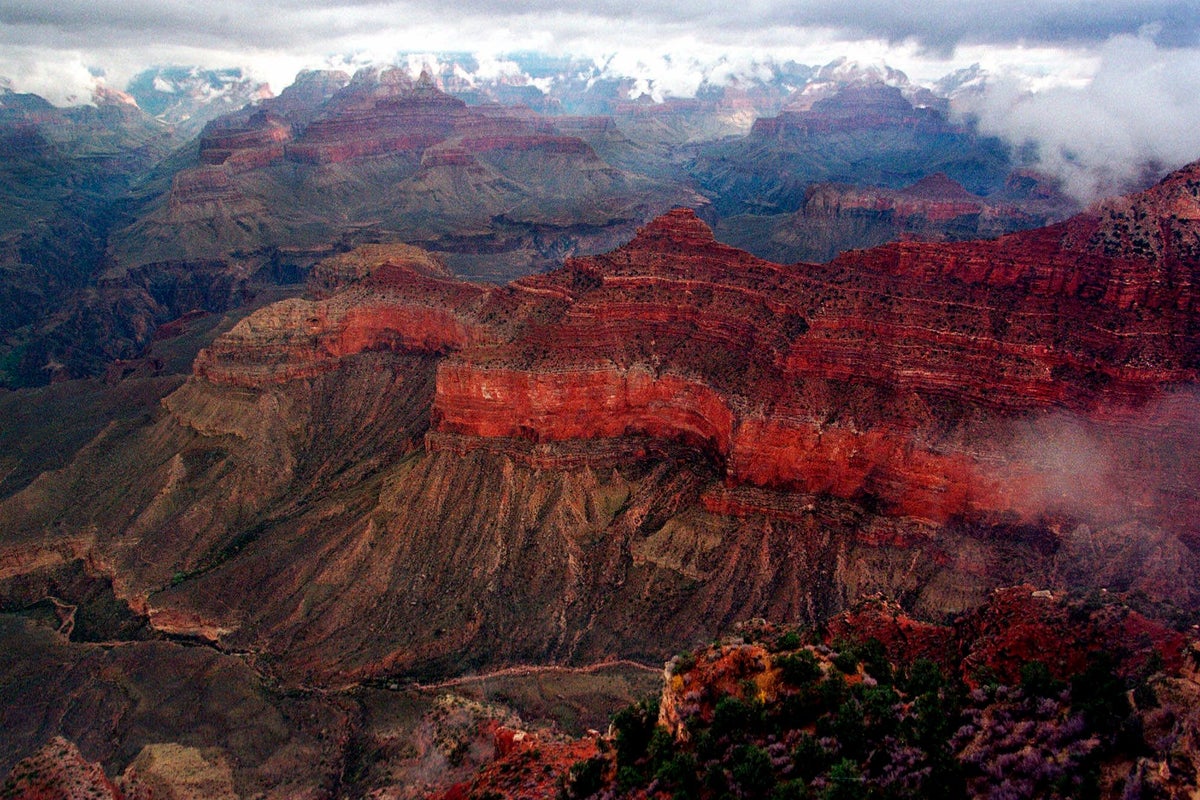
The geography surrounding Machu Picchu and the greater Sacred Valley features extreme vertical relief. Trails are frequently carved directly into sheer granite walls, bordered by steep drop-offs into ravines that exceed hundreds of meters.
Environmental volatility acts as a force multiplier for physiological vulnerability. The region's microclimates create rapid transitions in trail conditions. A dry, high-friction stone path can transform into a slick, low-friction surface within minutes due to localized mist, heavy rainfall, or condensation accumulation.
Furthermore, sections of the ancient Inca trail network consist of irregular, uneven stone steps that lack uniform rise and run dimensions. This lack of standardization forces a trekker’s neuromuscular system to constantly adjust, accelerating physical fatigue.
3. Operational and Infrastructural Deficits
The third vector involves the systemic gaps in trail management, safety infrastructure, and guiding protocols.
- Passive Safety Barriers: Unlike developed urban infrastructure, high-altitude wilderness trails minimize physical barriers like guardrails to preserve historical authenticity and natural landscapes. This lack of active containment means any loss of balance results in an immediate fall into the zone of zero recovery.
- Variable Guiding Ratios and Competency: The density of tourists relative to certified guides often exceeds safe operational thresholds. When a single guide manages a large group, they cannot maintain continuous visual contact or physical proximity to every individual, preventing immediate intervention during a stumble or cognitive lapse.
- Inadequate Pre-Screening and Acclimatization Enforcement: Tourism operators frequently fail to enforce mandatory multi-day acclimatization periods prior to departure. Permitting trekkers to transition rapidly from sea level to high-altitude trailheads introduces unacceptable physiological risk.
The Physics of a Fatal Fall: The Point of No Return
Understanding the mechanics of a fall on steep terrain explains why passive recovery is statistically improbable once a slip occurs. On a slope exceeding 45 degrees, a falling body quickly transitions from sliding friction to freefall kinetics.
The velocity ($v$) of a falling object, ignoring air resistance for the initial stages of a fall, is calculated using the formula:
$$v = \sqrt{2gh}$$
Where $g$ represents the acceleration due to gravity ($9.8 \text{ m/s}^2$) and $h$ is the height of the fall.
Within just three seconds of freefall, a body descends approximately 44 meters and reaches a velocity of roughly 106 kilometers per hour. On a 400-meter descent, the kinetic energy dissipated upon impact guarantees fatal trauma to vital organs and the skeletal structure.
The presence of jagged rock faces along the descent vector introduces secondary and tertiary impacts. Each impact alters the trajectory, accelerating rotational velocity and rendering any self-arrest techniques ineffective. Therefore, mitigation strategies must focus entirely on preventing the initial slip rather than surviving the fall.
Quantifying the Threshold of Risk: The Safety Matrix
To operationalize safety, expedition leaders must evaluate risk through a structured matrix that combines environmental severity with trekker capability.
| Risk Metric | Low Exposure | Moderate Exposure | High Exposure |
|---|---|---|---|
| Altitude Profile | < 2,500m (Stable oxygenation) | 2,500m – 3,500m (Mild hypoxia risk) | > 3,500m (Severe hypoxia / HACE risk) |
| Trail Gradient | < 15° (Gentle slope, low fall risk) | 15° – 35° (Moderate slope, manageable) | > 35° (Sheer drop-offs, zero-error zones) |
| Surface Friction | Dry granite, uniform gravel | Loose scree, damp stone steps | Ice, wet moss, slick mud on narrow ledges |
| Trekker Fatigue State | Fully rested, < 3 hours trekking | 3 – 6 hours trekking, mild fatigue | > 6 hours trekking, severe exhaustion |
When an expedition operates simultaneously in multiple "High Exposure" categories, the margin of safety drops to zero. A tired trekker navigating a wet, 40-degree stone staircase at 3,800 meters without a guide in immediate proximity is a statistical certainty for an accident.
Structural Reforms for High-Altitude Tourism Operators
Relying on tourist caution is an insufficient risk-management strategy. Regulators and commercial operators must implement systemic, high-authority interventions to transform trail safety from a reactive posture to a proactive shield.
Mandatory Acclimatization Protocols
Regulatory bodies should mandate a minimum 48-hour localized acclimatization period before issuing trail permits for routes exceeding 3,000 meters. Compliance can be verified via digital passport tracking linked to hotel check-ins and permit validation systems. This structural bottleneck ensures that individuals at high risk for acute altitude sickness present symptoms while still within reach of urban medical facilities rather than on narrow cliffside passes.
Kinetic Screening Protocols
Before commencing high-risk sections of a trek, guides must conduct mandatory physical and cognitive assessments. A simple biometric check—measuring blood oxygen saturation ($\text{SpO}_2$) via portable pulse oximeters combined with a rapid balance test (such as the tandem gait test)—can identify sub-clinical ataxia or severe hypoxia.
Any trekker displaying an $\text{SpO}_2$ below 80% or exhibiting poor postural control must be evacuated or reassigned to a low-impact route.
Engineering Targeted Infrastructure Interventions
While continuous guardrails are culturally and financially unfeasible across expansive trail networks, targeted infrastructure placement is required at high-consequence nexuses.
- Anchored Lifelines: Implementing recessed steel cables along vertical rock walls allows trekkers to clip in via a via-ferrata style lanyard system during inclement weather or on highly exposed sections.
- Micro-Texturing of Historic Stone: Employing non-destructive, high-friction treatment methods on stone steps prone to moisture accumulation can drastically increase grip coefficients without altering the visual integrity of historical sites.
Standardizing Guide-to-Client Ratios
Commercial regulations must enforce a strict maximum client-to-guide ratio of 4:1 for high-altitude, exposed terrain. This ensures that a certified professional is always within physical reach of a struggling trekker to provide balance stabilization or immediate medical intervention. Guides must also be equipped with satellite communication devices and dedicated medical kits containing dexamethasone and supplemental oxygen cylinders to treat HACE symptoms immediately on-site.
The responsibility for preventing fatalities on high-altitude trails cannot rest solely on the individual tourist. By treating trail safety as an engineering and physiological optimization challenge, the adventure tourism industry can systematically eliminate the root causes of fatal falls, preserving both human life and the accessibility of these remote destinations.