Geopolitical communication operates under two distinct modalities: formal institutional diplomacy and asymmetric visibility optimization. Traditional analytical frameworks treat state visits as a sequence of bilateral trade, defense, and maritime security negotiations. However, the modern information environment dictates that the efficacy of a state visit is heavily moderated by its digital transmission utility.
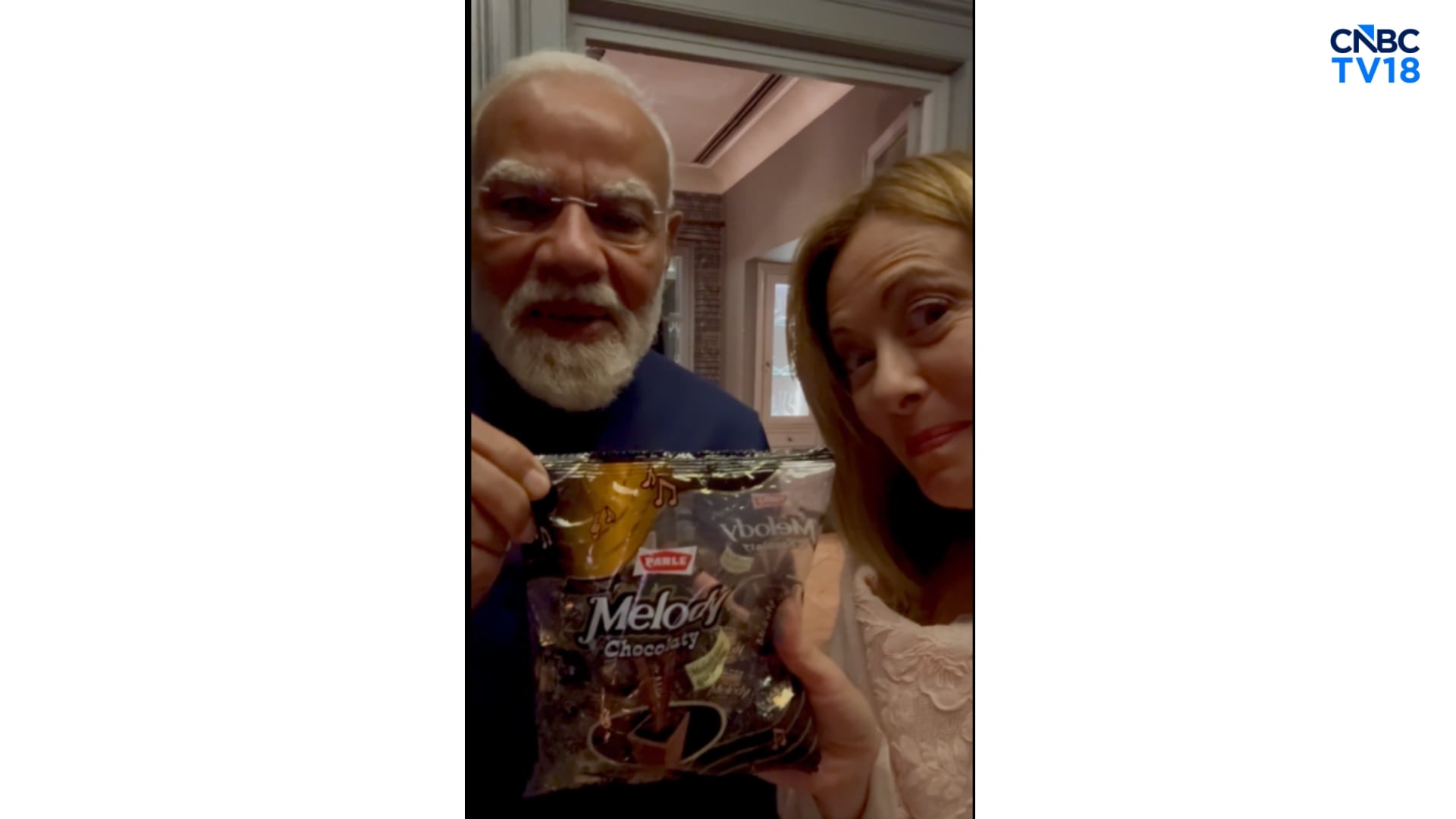
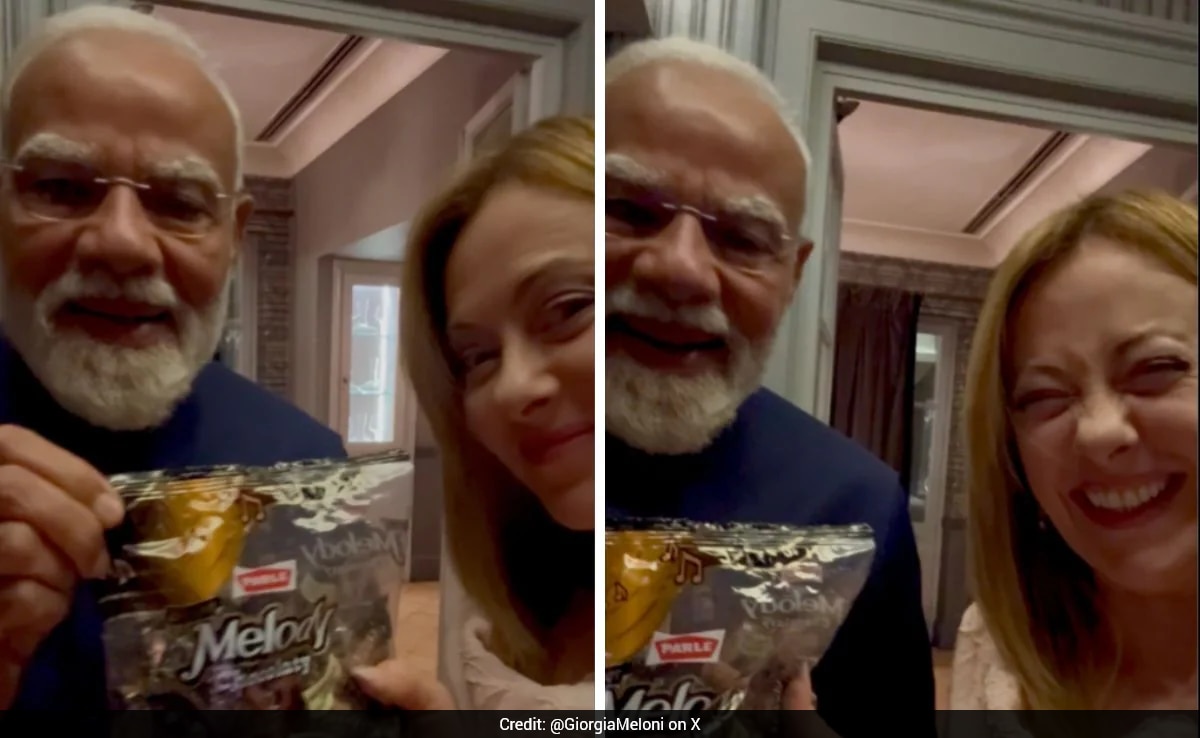
When Indian Prime Minister Narendra Modi presented Italian Prime Minister Giorgia Meloni with a packet of Parle Melody toffees during his visit to Rome, standard media reporting classified the exchange as a lighthearted manifestation of the internet-native "Melodi" meme. This interpretation is structurally incomplete. Analyzed through the lens of strategic communication, the 27-second video clip released on social media represents a deliberate deployment of high-yield cultural arbitrage—a mechanism by which low-cost cultural artifacts are converted into disproportionate soft-power equity.
The Strategic Architecture of Digital Arbitrage
To understand the operational value of this exchange, the transaction must be deconstructed into its component inputs and systemic outputs. The input is a highly accessible, low-unit-cost mass market commodity valued at one Indian Rupee. The output is a multi-platform digital asset generating millions of organic impressions within hours of deployment.
This conversion efficiency is governed by a precise optimization loop.
[Cultural Artifact Selection: Parle Melody]
              │
              ▼
[The Nostalgia Layer: High-Identity Domestication]
              │
              ▼
[The Narrative Anchor: Linguistic Harmonization (#Melodi)]
              │
              ▼
[Asymmetric Amplification: Native Platform Distribution]
1. The Nostalgia Layer: High-Identity Domestication
A primary limitation of standard diplomatic gifting—such as rare artifacts, bespoke textiles, or high-value art—is its structural alienation from the domestic base. These objects possess high economic value but zero narrative accessibility for the average citizen. By selecting a legacy confectionery brand embedded in Indian popular culture since the late 20th century, the state apparatus shifts the asset class from an elite luxury good to a shared domestic symbol. This creates immediate identification and psychological ownership among the domestic populace, turning a foreign bilateral meeting into an internal narrative anchor.
2. The Narrative Anchor: Linguistic Harmonization
The choice of product functions as a mechanical bridge between grassroots digital subcultures and institutional diplomacy. The "Melodi" portmanteau—originating organically across social media platforms during the COP28 summit in Dubai—presented a latent branding asset. Utilizing a product that phonetically mirrors this crowd-sourced moniker represents a formal capture of organic digital energy. It closes the loop between statecraft and internet-native vernacular, validating decentralized organic communities and co-opting their distribution mechanics.
3. Asymmetric Amplification
Traditional press releases and policy briefs suffer from severe distribution bottlenecks. They require active consumption and appeal to a narrow demographic. A high-context, ultra-short-form video artifact exploits the algorithmic architecture of contemporary social feeds. It maximizes watch-time metrics, minimizes cognitive friction, and encourages frictionless cross-platform sharing. The media asset bypasses conventional journalistic filters, embedding foreign policy objectives directly into consumer entertainment vectors.
Domestic vs. International Utility: The Bifurcated Cost-Benefit Model
The deployment of low-cost cultural artifacts within high-stakes diplomacy does not occur in a vacuum. It triggers sharp domestic and international feedback loops that illustrate the trade-offs of non-traditional statecraft.
The Domestic Oppositional Friction
The primary vulnerability of the cultural arbitrage model lies in its susceptibility to domestic counter-framing. When state communication prioritizes high-visibility micro-moments, oppositional actors can easily construct a narrative of triviality. For instance, domestic political critics immediately weaponized the exchange by contrasting the low-cost confectionery gesture with macro-economic indicators, such as rising fuel prices, agricultural distress, and supply chain disruptions in the Strait of Hormuz.
This tension reveals a fundamental structural challenge:
$$\text{Total Diplomatic Return} = f(\text{Viral Velocity}) - g(\text{Domestic Opportunity Cost Perception})$$
When the velocity of a viral moment outpaces the communication of structural economic achievements, the state risks a domestic perception bottleneck where tactical media execution is misconstrued as strategic evasion.
International Alignment Dynamics
Conversely, on the international stage, the transactional friction between the two states is minimized through these low-stakes interactions. India and Italy are actively executing a Joint Strategic Action Plan (2025–2029) covering critical high-capital sectors:
| Strategic Vector | Operational Metric |
|---|---|
| Bilateral Trade Volume | USD 16.77 Billion (2025 Data) |
| Foreign Direct Investment (FDI) | USD 3.66 Billion (Cumulative Apr 2000 – Sept 2025) |
| Core Structural Verticals | Defense Co-production, Clean Energy Transition, Maritime Security, Strategic Sovereignty |
Hard economic alignments require deep institutional trust and prolonged bureaucratic coordination. The viral media asset serves as public-facing validation of this underlying alignment. By signaling elite-level interpersonal cohesion through low-friction, universally understood media content, both leadership teams lower the perceived political risk of their broader economic and defense integration frameworks.
Algorithmic Sovereignty and the Future of State Communication
The transition of diplomatic messaging from official communiqués to algorithmic short-form assets highlights a permanent shift in how geopolitical capital is built and maintained. Modern statecraft demands competence not only in closed-door negotiations but also in algorithmic sovereignty—the capacity of a nation-state to command, influence, and secure digital real estate within global attention markets.
The deployment of the Parle Melody artifact is a case study in maximizing attention yield per unit of capital spent. It demonstrates that under the rules of digital platform distribution, an optimized 27-second video asset can achieve greater public-facing narrative penetration than a standard multi-page joint declaration. The operational blueprint demonstrated in Rome provides a clear strategic playbook for modern state communication apparatuses.
The optimal play moving forward requires a strict dual-track communication protocol. Governments must treat viral digital assets not as substitutes for policy, but as high-velocity transport mechanisms for narrative alignment. To mitigate the inevitable domestic counter-framing, future state visits should structurally couple every high-visibility viral artifact with a direct, data-backed disclosure of institutional outcomes. By anchoring every micro-moment of cultural arbitrage to a macro-level policy delivery, the state can insulate its public relations victories from domestic criticism while fully exploiting the geometric scale of algorithmic distribution.