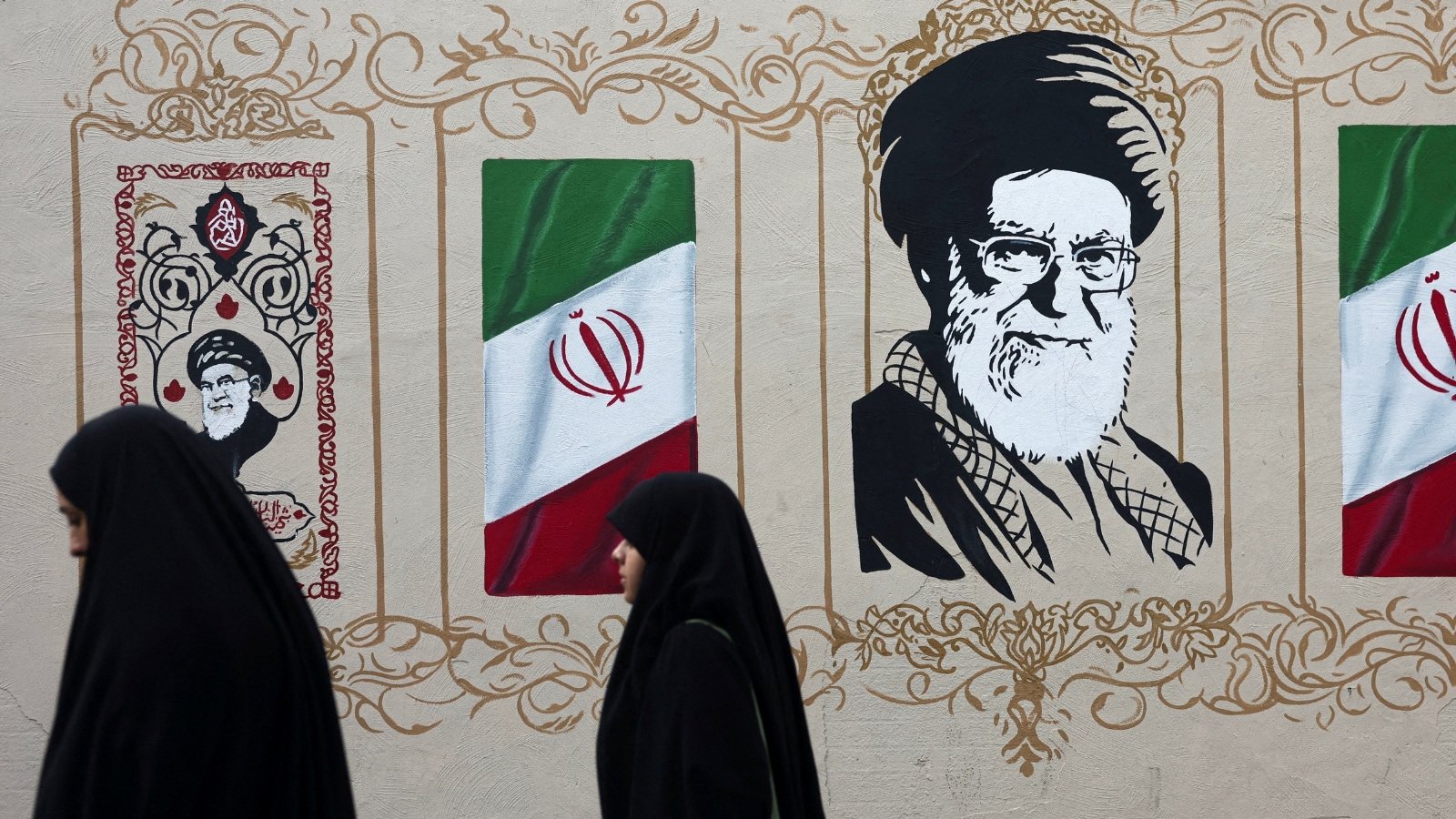
Two decades of American military intervention in Iraq have officially come to a close. When the last remaining coalition forces packed up and left their positions, Washington officially ended a chapter that started with the 2003 invasion and evolved into a grueling, multi-decade struggle against insurgencies, civil sectarian conflict, and the Islamic State.
Yet, as military transport planes lift off from Baghdad and Erbil, the real story isn't just about American soldiers going home. It's about the massive geopolitical vacuum left behind. For years, critics warned that an abrupt departure would hand Tehran an open field. Now, we are watching that exact scenario play out in real-time, reshaping the Middle East balance of power in ways that will reverberate for generations.
The Reality on the Ground After the Pullout
You can't understand the current situation in Iraq by looking at official diplomatic press releases. On the streets of cities like Baghdad, Basra, and Fallujah, the mood is split sharply between nationalist jubilation and deep, underlying anxiety.
Pro-Iran militia groups and their political allies are hailing the exit as a historic victory. They aren't hiding their intentions. These factions view the American departure not just as a foreign military exit, but as an opportunity to cement total dominance over Iraq's security apparatus and political institutions. Prime Minister Ali al-Zaidi's administration faces an impossible balancing act. Baghdad wants genuine national sovereignty, but it lacks the ironclad military infrastructure needed to keep heavily armed, non-state actors fully in check without external backing.
The math is brutal. For over twenty years, the American presence acted as a disruptive obstacle to complete Iranian hegemony over Iraqi state functions. With that obstacle removed, Tehran's vast network of political, religious, and economic ties faces fewer internal hurdles.
Why Iran Wins Without Firing a Shot
Influence doesn't require a physical occupation. Iran spent decades building deep roots inside Iraq through proxy militias, economic leverage, and intelligence sharing. When Washington decided to wind down Operation Inherent Resolve, Tehran gained a strategic shortcut.
For years, the friction between Washington and Tehran played out directly on Iraqi soil. U.S. bases absorbed regular rocket and drone fire from Iran-backed groups, frequently triggering retaliatory American airstrikes. That cycle of violence peaked during wider regional escalations, costing American lives and keeping Iraq trapped in the crossfire.
Now that the U.S. footprint is gone, those proxy groups can rebrand themselves as defenders of national sovereignty. They are translating battlefield momentum into direct control over policy decisions. While Iranian officials celebrate the U.S. exit as proof that American interventionism ultimately fails, they are also inheriting a massive headache. A totally destabilized Iraq doesn't actually serve Iran's long-term interests. If the Iraqi state fractures completely, the resurgence of extremist elements like the Islamic State poses a direct threat to Iran's own western frontier.
The Dangerous Threat of an ISIS Resurgence
Security officials in strategic hubs like Kirkuk are sounding alarms that many western analysts choose to ignore. The Islamic State isn't gone; it's waiting.
During the height of the anti-ISIS campaign, American air support and intelligence coordination were the glue holding fragile coalitions together. Without that capability, Iraqi security forces must shoulder the entire burden of counter-terrorism alone. Extremist cells are already launching opportunistic attacks to prove they retain operational capacity. If Baghdad becomes bogged down by political infighting and militia competition, security gaps will widen. That is the nightmare scenario: a state squeezed between emboldened pro-Iranian factions on one side and a lurking ISIS underground on the other.
What Happens Next for Regional Stability
The U.S. exit from Iraq doesn't mean Washington is washing its hands of the Middle East entirely. Instead, it marks a shift away from boots-on-the-ground nation-building toward offshore containment and regional balancing acts.
For Iraq, the coming months will test whether its government can survive without foreign life support. If Baghdad fails to enforce disarmament timelines and rein in armed militias, the country risks sliding further into an orbit controlled by its eastern neighbor. The multi-decade American experiment in Iraq is over, but the consequences of its ending have only just begun.


