A passport is never just a blue or burgundy booklet. It is a membrane. It is a filter that separates ambition from bureaucracy, talent from opportunity, and human beings from the markets they sustain.
Consider Aarav, an engineer sitting in a glass-walled conference room in Zurich. Outside, the slate-grey waters of the Limmat run cold and swift, fed by distant Alpine snowmelt. Inside, his knuckles are white around a dry-erase marker. He is staring at a quarterly projection that looks healthy on paper but lacks a pulse. His team needs specialized neural-network architecture—code written by developers who grew up coding in Bangalore, solving infrastructural math under monsoon skies thousands of miles away.
The talent exists. The capital exists. The shared vision exists.
Yet, for months, the project has bled momentum in the dim corridors of consular offices. Visa appointments vanishing into digital voids. Courier tracking numbers checked with the quiet desperation of a patient waiting for biopsy results. Bureaucratic friction.
Borders are heavy things. Until someone decides to lift them.
The Architecture of Trust
Diplomacy is often portrayed as a theater of velvet chairs, solemn handshakes, and press releases written in a language so neutral it could anesthetize a horse. But every once in a while, two nations look at the friction of their daily commerce and decide to clear the rocks from the stream.
That is what happened when Indian Prime Minister Narendra Modi and Swiss President Guy Parmelin sat down to talk.
The headlines called it a five-year visa mobility pact paired with a staggering one-hundred-billion-dollar investment target. The numbers are real. They are verified. They are massive. But numbers do not tell you what it feels like to finally book a flight without your stomach dropping into your shoes.
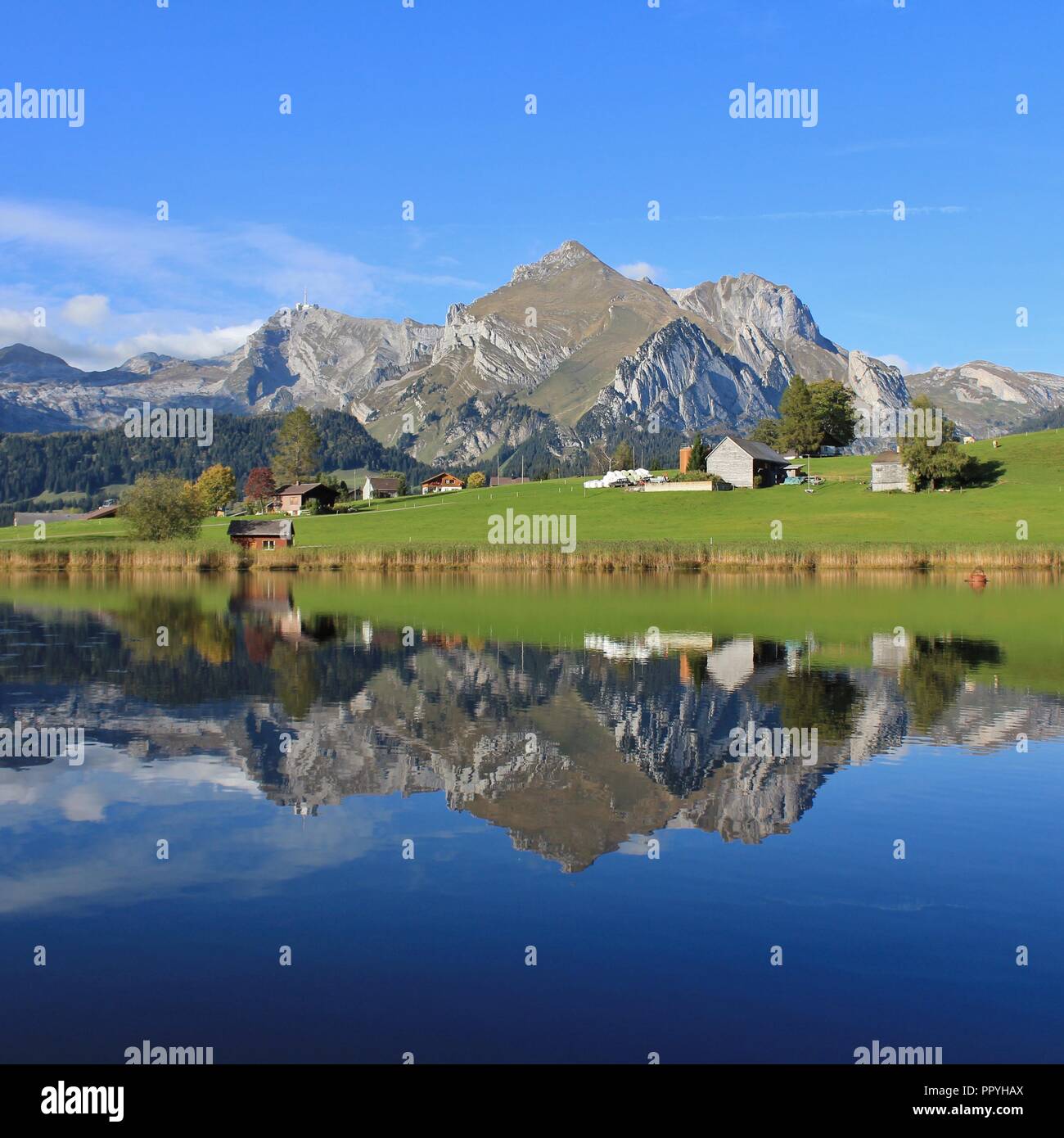
Switzerland is not just a postcard of Matterhorn peaks and luxury timepieces. It is a global laboratory of precision. It is home to pharmaceutical giants, precision machinery, and deep-pocketed institutional capital looking for growth in a fractured global economy. India is a tidal wave of young, hungry minds—a demographic engine producing millions of STEM graduates who view the horizon not as a boundary, but as a runway.
For decades, the marriage of Swiss capital and Indian intellect was mediated by red tape. If an executive needed to move between Zurich, Basel, New Delhi, and Mumbai on short notice, they did not just buy a ticket; they surrendered weeks of productivity to visa stamps, invitation letters, and arbitrary consular delays.
The new mobility pact changes the physics of movement. It creates a dedicated runway for professionals, entrepreneurs, and skilled workers. It acknowledges a fundamental truth of the twenty-first century: capital follows talent, but talent requires proximity to collaborate effectively.
The Human Cost of Distance
To understand why this pact matters, you have to step away from the macroeconomic charts and look at the human cost of a fragmented labor market.
Imagine Maya. She leads a research division for a Swiss biotech firm developing targeted therapies for oncology. Half her research lab is nestled in the rolling hills near Basel; the other half operates out of a state-of-the-art facility in Bengaluru.
Before this agreement, bringing a newly minted Indian biochemist to Switzerland for a critical three-month project required an obstacle course of paperwork that could derail a project timeline before it even started. Conversely, Swiss engineers wanting to test prototype hardware in Indian manufacturing hubs faced months of administrative purgatory.
Innovation does not happen in a vacuum. It happens in the margins of conversations—over bad coffee at three in the morning, during whiteboard sessions where markers squeak and bad ideas are slaughtered quickly. When you put a physical ocean and an administrative wall between collaborative teams, you dilute the spark.
By loosening the knots on visa mobility, Modi and Parmelin have effectively shortened the physical distance between Zurich and Mumbai. They have recognized that economic agreements are hollow shells unless the people who bring them to life can move freely.
The One Hundred Billion Dollar Question
Then there is the other half of the equation. One hundred billion dollars.
It is a number so large it loses meaning. Let us ground it.
Switzerland’s multinational corporations are sitting on vast reserves of capital, searching for stable, high-growth ecosystems where that money can generate returns while building physical and digital infrastructure. India is undergoing the most aggressive modernization experiment in modern history. Railways, smart cities, green energy grids, digital public infrastructure—the canvas is immense.
Swiss investors are notoriously cautious. They do not chase hype cycles or meme stocks. They look for legal predictability, institutional maturity, and scalable human capital. When a nation of India's scale signs a sweeping economic and mobility framework with a nation of Switzerland’s financial rigor, it sends a signal across global boardrooms.
It says: The plumbing is fixed.
It tells pension funds in Geneva and Zurich that investing in Indian infrastructure, green tech, and manufacturing is no longer a high-friction gamble, but a structured, protected partnership. It tells Indian startups that European capital is no longer locked behind a wall of protective European Union protectionism, but accessible through bilateral clarity.
Beyond the Boardroom
Walk through the bustling commercial districts of Zurich or Geneva today, and you will hear the hum of a changing economy. You will hear Marathi, Hindi, and Tamil mingling with German, French, and Romansh in the cafeterias of tech parks and banking institutions.
This is not cultural displacement. It is cultural synthesis.
When Aarav finally boards that flight to Zurich—his visa approved in days rather than months—he carries more than just his laptop and a change of clothes. He carries the accumulated ambition of an ecosystem that refuses to stay local.
The pact signed by Modi and Parmelin will not make the front page of every newspaper tomorrow. There will be no ticker-tape parades for a visa mobility framework.
Yet, years from now, when we look back at the economic architecture of this decade, we will trace the lineage of breakthrough medical treatments, carbon-neutral manufacturing plants, and cross-continental enterprises back to the day two leaders decided that the best way to grow an economy was to let the people who build it walk freely through the door.
The ink on the treaty is dry. The mountains remain where they are. But the space between them just got a whole lot smaller.


