Stop Blaming "Regime Embarrassment" for a Simple Supply Chain Collapse
The Western media narrative surrounding Algeria's Eid al-Adha sheep prices is predictably lazy.
Read the standard coverage and you get a familiar story: a autocratic state caught flat-footed, sky-rocketing livestock prices, enraged citizens, and a political apparatus sweating over seasonal inflation. Outlets frame the sudden spike in livestock costs—where a single sheep can easily eat up two to three times the monthly minimum wage—as a political crisis or a failure of state oversight.
They are looking at the wrong variable.
This is not a story about political optics or state embarrassment. It is a textbook lesson in market distortion caused by well-intentioned, central-planning interventions that destroyed local supply chains long before the holiday arrived.
When you subsidize feed inefficiently, clamp down on cross-border trade without providing domestic infrastructure, and treat pastoral agriculture like an industrial output, you don't get cheap meat. You get market failure.
The Three Myths Ruining the Livestock Debate
To understand why the annual "sheep crisis" happens across North Africa—and specifically in Algeria—you have to strip away the political theater and look at how pastoral economies actually function.
Myth 1: Speculators and Middlemen Are the Core Evil
Every year, state officials launch crackdowns on illegal livestock traders (mouali and informal brokers), blaming them for artificial price gouging.
It makes for great television. It is terrible economics.
Middlemen exist because the distribution network is utterly broken. Small-scale pastoralists operating in regions like Djelfa or Tiaret do not have the logistics, cold chain transport, or urban real estate to sell directly to consumers in Algiers or Oran. The middleman assumes the massive risk of transporting live animals across hundreds of kilometers of arid terrain during peak summer heat.
When the state attempts to bypass these networks with price caps or state-run pop-up markets, two things happen immediately:
- The supply vanishes into the black market.
- The price of compliant, visible livestock skyrockets due to artificial scarcity.
Myth 2: Import Raids Fix Domestic Scarcity
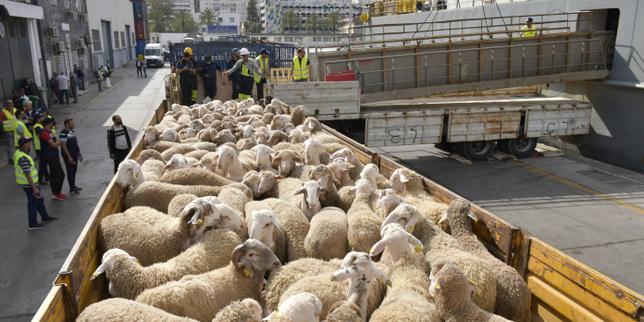
When prices spiked, the immediate bureaucratic reaction was to authorize massive imports of live sheep from countries like Romania.
I have watched policy teams and corporate procurement directors deploy this exact playbook in emerging markets for decades. It is the political equivalent of putting a band-aid on a severed artery.
Importing foreign breeds creates a immediate shock to local livestock farmers. European sheep breeds often lack the drought resistance and grazing efficiency of local strains like the Rembi or Ouled Djellal. More importantly, importing livestock drains foreign exchange reserves to subsidize temporary consumer relief while driving local herders out of business.
If your long-term strategy for local food security involves importing live cargo on emergency container ships every 12 months, you do not have a agricultural policy. You have an emergency response unit pretending to be a ministry.
Myth 3: High Prices Equal Greedy Herders
Ask the average urban consumer and they will tell you the herders are getting rich.
Look at the input costs.
- The price of barley and composite animal feed has surged globally over the past three years.
- Repeated droughts across the Maghreb have wiped out traditional steppe pastures, forcing herders to buy 100% of their feed instead of letting livestock graze naturally.
- Water trucking costs have doubled in arid zones.
The average smallholder herder isn't making a windfall profit during Eid. They are liquidating their asset base just to cover the accumulated debt of keeping the herd alive through eleven months of dry feed purchases.
How Central Planning Broke the Steppe
Algerian livestock farming isn't a factory process; it's an ecosystem deeply tied to the Hauts Plateaux. For decades, state interventions have disrupted the natural balance between pastoral herding and market demands.
+-----------------------------------------------------------------------+
|                       THE VISOUS LIVESTOCK CYCLE                      |
+-----------------------------------------------------------------------+
|  Severe Drought & Feed Shortage                                       |
|  --> Input Costs Increase (Barley, Trucked Water)                     |
|  --> Herders Liquidate Assets / Reduce Herd Size                      |
|  --> Seasonal Spike in Urban Eid Demand                               |
|  --> Severe Supply Deficit & Price Explosion                          |
|  --> Emergency Imports Flud the Market                                |
|  --> Domestic Herders Bankrupted & Exit Industry                      |
+-----------------------------------------------------------------------+
When governments step in to fix prices or subsidize specific feed inputs, they alter the natural market signals that dictate herd size. Subsidized feed often gets diverted into secondary markets or hoarded by larger agricultural conglomerates, leaving small pastoralists at the mercy of spot-market prices for basic grains.
Furthermore, efforts to modernize the sector often focus on high-tech slaughterhouses and centralized distribution centers while completely ignoring the primary point of failure: primary water access and range management in the steppe.
The Hard Truth Nobody Wants to Admit
Fixing this issue requires uncomfortable tradeoffs that no politician wants to explain on the evening news.
1. Let the Market Signal Real Costs
If feed costs are high and water is scarce, meat should be expensive. Price controls hide reality; they do not change it. Suppressing prices artificially signals to consumers that resources are abundant when they are depleted, exacerbating structural shortages.
2. Transition from Live Animal Sales to Processing
The cultural insistence on purchasing live animals days before the holiday creates an impossible logistical bottleneck. Thousands of trucks hauling live animals into dense urban centers creates massive wastage, animal stress, loss of weight, and inflated transport costs.
Moving toward modernized, decentralized slaughter facilities with certified cold-chain logistics isn't just more hygienic—it eliminates up to 30% of the logistical overhead that gets tacked onto the price of a live sheep.
3. Stop Treating Herders as Bad Actors
The herder living in Djelfa isn't sabotaging the urban economy. They are surviving in an environment where capital is scarce, climate conditions are brutal, and policy shifts every season depending on political pressure.
Until policy treats pastoralists as rational economic operators who require reliable infrastructure—rather than targets for seasonal price-fixing enforcement—the cycle will repeat every single year.
The annual panic over Eid sheep prices isn't an anomaly, nor is it a sign of sudden administrative incompetence. It is the natural, inevitable outcome of a system that tries to manage a real-world supply crisis with public relations and emergency imports.
Stop looking for political conspiracies in the livestock market. Start looking at the balance sheet of the pastoralist. Until the underlying economics of feed, water, and distribution are fixed, every Eid will carry the exact same price tag.


