Airtel Africa is finally pulling the trigger. The telecom giant is lining up its massive mobile money business, Airtel Money, for an initial public offering on the London Stock Exchange.
Industry insiders expect a valuation hitting the ten billion dollar mark. If it lands, this will stand as London's biggest float since Wise debuted back in 2021.
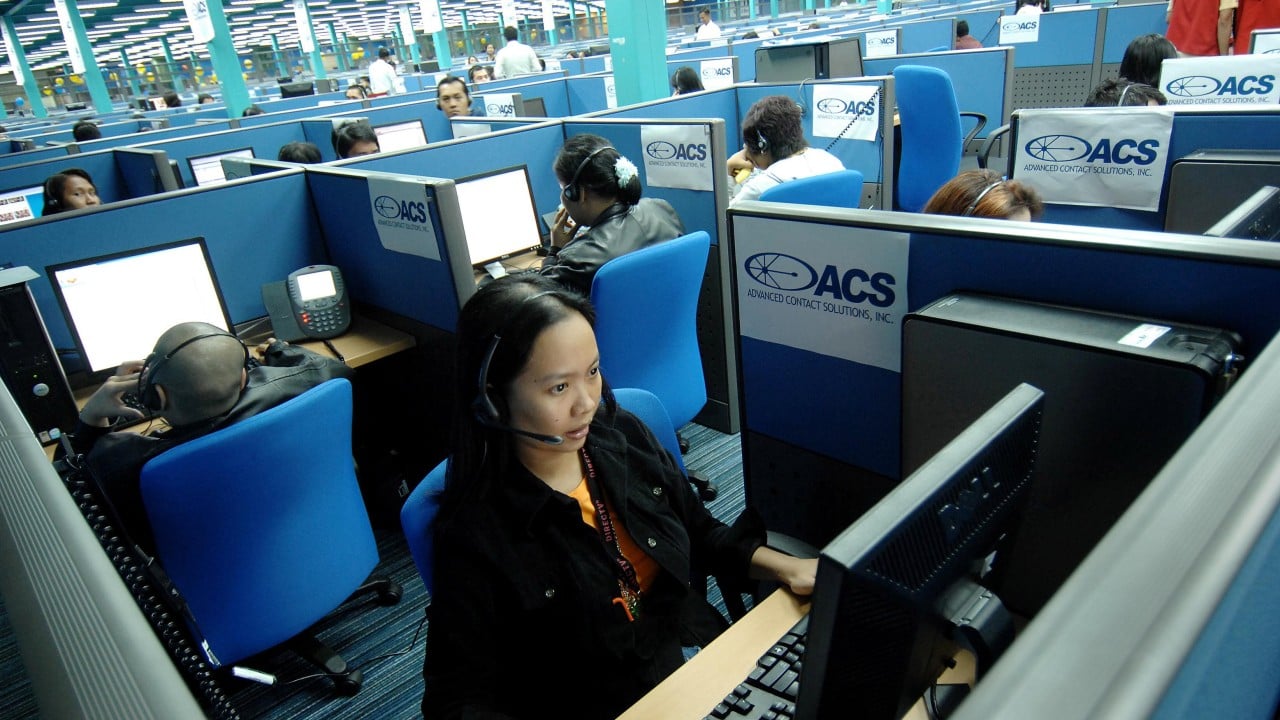
You might wonder why a telecom company operating across fourteen African nations wants to carve out its financial arm. The answer sits in the raw numbers. Airtel Money is no longer a cute side project. It's a financial juggernaut.
During the recent quarter, the platform pushed past two hundred forty-five billion dollars in annualized transaction value. That represents a 51.5% jump from the previous year. Active users climbed to 56.5 million.
Traditional telecom valuations often lag behind tech and fintech multiples. Investors lump network maintenance, tower costs, and capital expenditures together with high-margin digital payments. Separating the assets lets the market price the fintech engine independently.
The Real Driver Behind the London Choice
Airtel leadership initially kicked around other options, including potential venues in the Middle East. Regional geopolitical tensions threw cold water on those ideas.
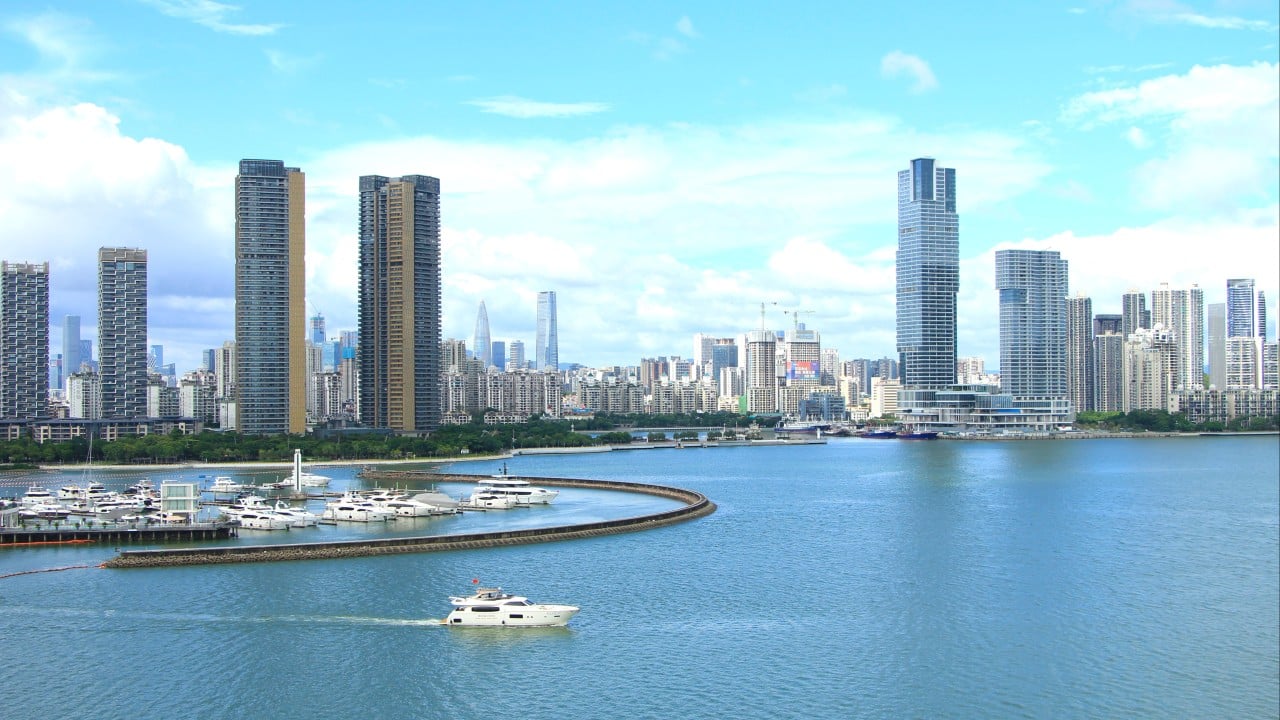
London won out because it offers deep institutional pools and global visibility. Executive leadership wants a broad international investor base that understands massive scale.
Chairman Sunil Bharti Mittal already holds heavy sway in the UK capital, notably through his substantial stake in British Telecom. Adding a major financial listing to his portfolio solidifies his standing in the square mile.
The timing also throws a lifeline to the London Stock Exchange. The venue has fought hard to attract mega-listings amid stiff competition from New York. Securing a ten billion dollar African fintech float changes the narrative.
What This Means for African Financial Inclusion
Mobile money solves a massive structural problem. Roughly sixty-five percent of adults across Airtel's African footprint still lack access to standard banking accounts.
Branches are sparse. Infrastructure is limited. Feature phones and basic smartphones bridge the gap.
Users don't need a brick-and-mortar bank to send remittances, pay utility bills, or secure micro-loans. They use agent kiosks scattered through local neighborhoods.
Quarterly revenues for the finance unit recently crossed four hundred million dollars, growing at a twenty-five percent clip. That type of growth attracts institutional capital that ignores slow-moving utility businesses.
Broader Market Impacts
When a spin-off of this magnitude happens, it sets a benchmark. Other African technology operators watch closely.
If Airtel Money commands a premium valuation in London, expect a wave of similar maneuvers. Competitors like MTN MoMo and regional players will reevaluate their public market strategies.
Execution remains the primary hurdle. Market volatility and rising energy costs continue to pressure operating margins across the telecommunications sector. Inflationary spikes can dampen consumer spending power even in high-growth territories.
Airtel's leadership must convince skeptical global funds that regulatory shifts and currency fluctuations won't derail the bottom line.
Keep an eye on syndicate appointments and regulatory filings over the coming months. The roadshow will test whether institutional investors are ready to price frontier-market fintech on par with Western tech darlings.
Prepare your portfolio strategy now. Watch how international capital allocates toward emerging digital economies as the prospectus drops later this year.