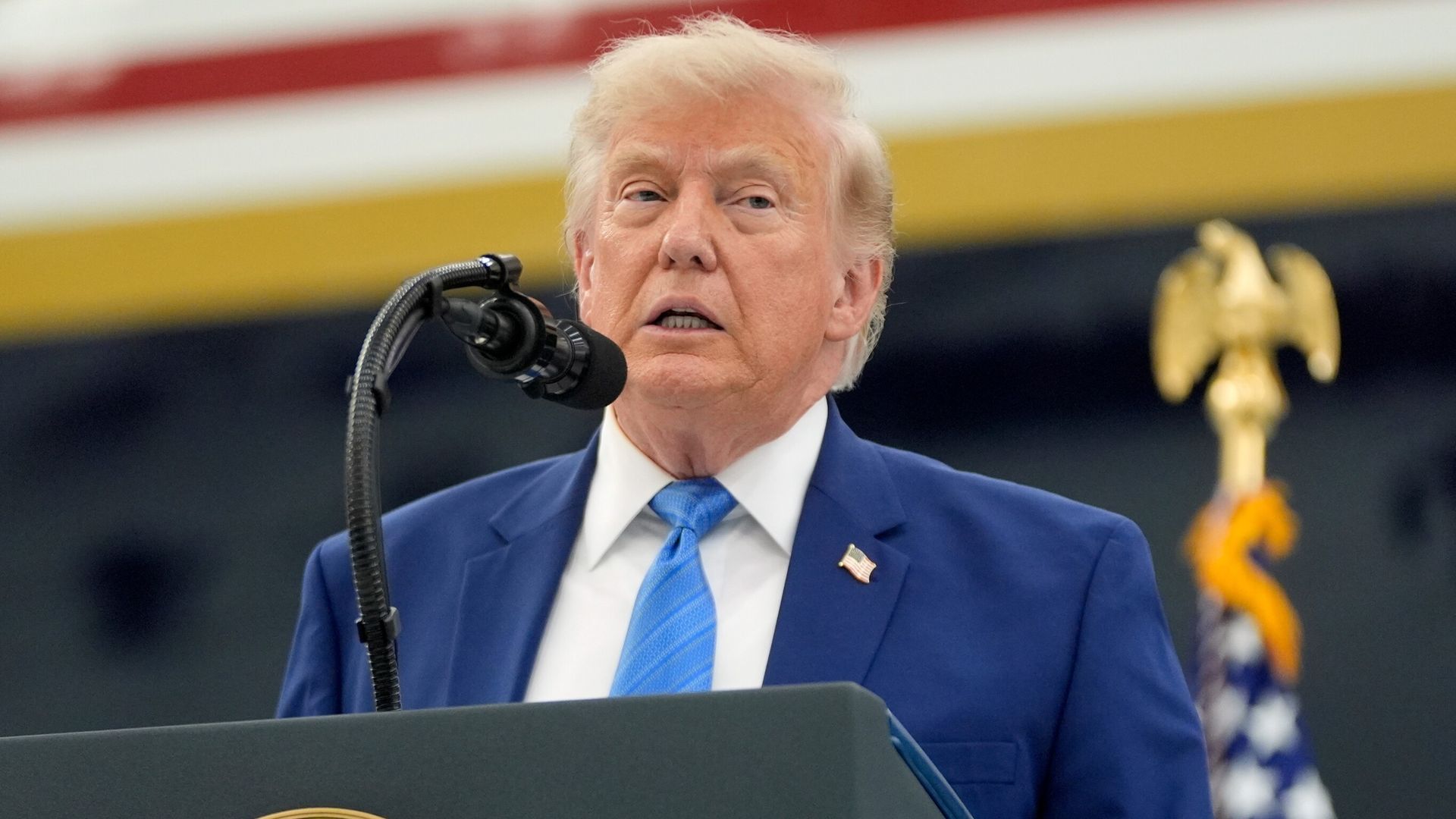
The outrage machine is operating at peak efficiency. Following a flight aboard Air Force One with Donald Trump, a leak occurred, a subpoena was issued, and the media establishment immediately defaulted to its favorite script: the sacred first amendment is under siege, and press freedom is on life support.
It is a comforting narrative for newsrooms. It is also entirely wrong.
The legal panic surrounding federal judges ordering journalists to testify about government leaks is not a constitutional crisis. It is the predictable byproduct of a media ecosystem that has traded genuine investigative reporting for a transactional, access-driven stenography disguised as public service. By treating every routine bureaucratic disclosure as a matters-of-state whistleblowing event, the press has diluted its own protections and invited the very judicial crackdowns it now decries.
The Myth of the Vulnerable Whistleblower
The immediate reaction to any judicial order forcing a reporter to reveal a source is a chorus of warnings that "sources will dry up." This assumes the source in question is a high-minded patriot risking their livelihood to expose deep-seated corruption.
Let us look at how Washington actually functions.
The vast majority of high-profile leaks out of presidential aircraft or executive offices are not heroic acts of whistleblowing. They are weaponized gossip. They are tactical plants designed to undermine a bureaucratic rival, test the waters for a controversial policy, or settle a score. When an official whispers details of a private conversation held at 35,000 feet, they are rarely protecting the republic. They are utilizing the reporter as a free public relations firm.
I have spent decades watching agencies spin reporters, and the cycle is always the same. The reporter gets a "scoop" that is actually just a pre-packaged press release delivered via encrypted app. The government agency feigns outrage. The Department of Justice launches a leak investigation to save face or appease an angry executive.
By pretending that these petty political maneuvers deserve the same absolute shield as the Pentagon Papers, journalists have compromised their credibility. When everything is a sacred confidence, nothing is. Federal judges are not stupid. They can distinguish between a source exposing systemic military failure and an aide leaking a transcript to embarrass a political opponent.
The Legal Reality Journalists Refuse to Face
The legal framework here is not ambiguous, nor is it new. The press frequently points to state-level shield laws to argue for absolute privilege, but federal law has never recognized an absolute right for journalists to withhold source identities in the face of a grand jury or federal subpoena.
The governing precedent remains Branzburg v. Hayes. The Supreme Court ruled plainly that the First Amendment does not grant a reporter an absolute privilege to refuse to testify before a grand jury. While lower courts have occasionally carved out qualified privileges by balancing the public interest against the needs of law enforcement, that balance shifts dramatically when national security or executive operations are involved.
Consider the mechanics of the legal test often applied:
- Relevance: Is the information specific and highly relevant to a crime?
- Exhaustion: Has the government attempted to secure the information through alternative means?
- Compelling Interest: Is there a core state interest in solving or preventing the disruption?
When a leak involves the immediate orbit of the Commander-in-Chief, the government easily clears these hurdles. The defense that "we need to protect the process" falls flat when the process being protected is merely the unauthorized disclosure of operational details. The courts are not breaking new ground; they are applying basic criminal procedure that the media industry has spent decades trying to ignore through sheer hubris.
The Access Trap
The real crisis facing journalism is not judicial overreach. It is the institutional dependency on access.
When you build a business model around being the chosen vessel for official leaks, you become an extension of the state apparatus. You are no longer an independent watchdog; you are an outsourced communications director. The moment that relationship sours—or the moment a political opponent takes the reins of the Department of Justice—the vulnerability of that position becomes obvious.
The Transactional Cost of Cozy Reporting
| Journalist Goal | Source Real Intent | Systemic Outcome |
|---|---|---|
| Exclusive insider information | Internal bureaucratic sabotage | Diluted public trust in reporting |
| Prestige and career advancement | Policy trial balloons | Weakened First Amendment defense |
| Rapid news cycle dominance | Retaliation against rivals | Increased judicial scrutiny |
This table illustrates the structural flaw in modern political reporting. The journalist believes they are winning an exclusive, while the source is merely executing a communications strategy. When the legal bill comes due, the source disappears back into the bureaucracy, leaving the news organization to fund a multi-million dollar constitutional defense over a story that will be forgotten in forty-eight hours.
Dismantling the Premise of the "Chill Effect"
The standard defense mechanism is to ask: If reporters have to testify, how will we ever expose government wrongdoing?
This question is fundamentally flawed because it conflates access-driven political reporting with actual investigative journalism. True investigative journalism relies on documents, data, financial trails, and public records. It relies on sources who are secondary verification mechanisms, not primary drivers of the narrative.
If your entire story collapses because you cannot shield the identity of a single anonymous source who whispered to you in a corridor, you did not have a resilient piece of journalism. You had a tip.
The downside of this contrarian reality is harsh: it means reporters have to work harder. It means newsrooms cannot rely on the lazy pipeline of senior officials handing over documents to win daily news cycles. It requires building cases that stand up independently of a single individual's testimony.
When investigative giants like Wayne Barrett or the teams that exposed systemic corporate frauds built their cases, they did not rely solely on the word of a single insider. They cross-referenced, subpoenaed public records, and created an undeniable paper trail. The modern obsession with the anonymous high-level quote is a shortcut that has backfired.
Stop Demanding Shoddier Standards
The public has grown weary of the press claiming special immunity from the rules that govern every other citizen. If a corporate executive leaks insider information, they go to jail for insider trading, and the recipient can be compelled to testify. If a medical professional leaks private health data, they lose their license. Yet, the media demands that if a political operative leaks potentially sensitive operational information from a government aircraft, the entire apparatus of justice must grind to a halt to protect the reporter's rolodex.
This double standard is unsustainable. It alienates the public and hardens the resolve of the judiciary.
The path forward is not to write endless editorials whining about the death of democracy every time a judge signs a subpoena. The path forward is to change the nature of the relationship with power. Stop flying on the plane if the price of admission is becoming a complicit tool in bureaucratic warfare. Stop publishing unverified whispers from "senior officials" who refuse to put their names to their assertions.
If the press wants the protections of a vital democratic institution, it must start acting like one, rather than acting like a laundromat for official Washington's dirty linen.
Publish the data. Verify the documents. Leave the gossip in the air.