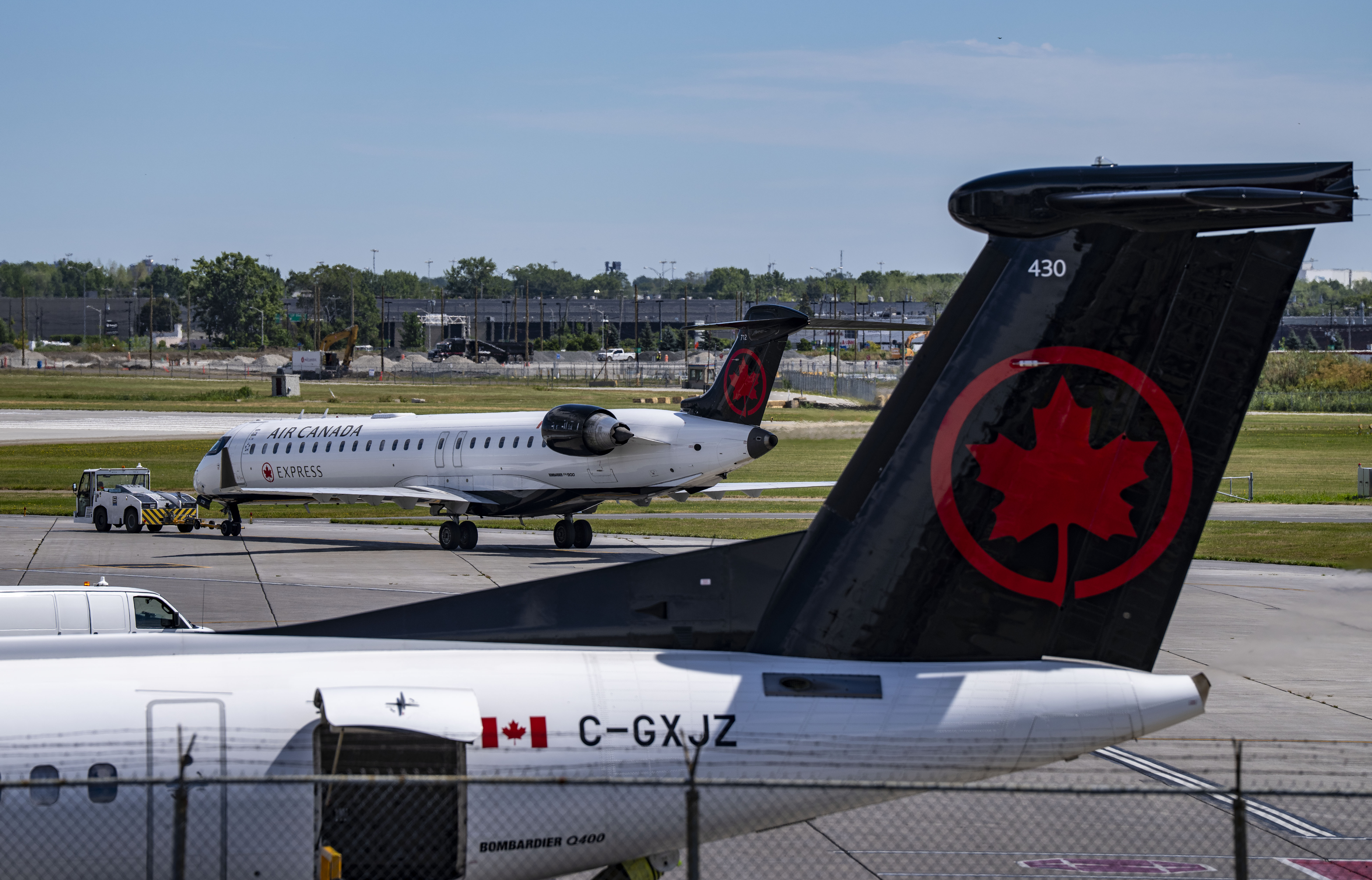
Air Canada wants you to look at the gas pump. They want you to stare at the volatile ticker of Brent Crude and the rising cost of refined kerosene until your eyes glaze over. By blaming the suspension of four seasonal routes on "jet fuel costs," the legacy carrier is performing a classic piece of corporate misdirection. It is a convenient, external bogeyman that masks a much more uncomfortable reality about fleet mismanagement and the death of the mid-tier regional market.
Fuel is a variable cost. Every airline on the planet deals with it. Most of them hedge against it. When a carrier cuts routes and points to the fuel bill, they aren't telling you that flying is too expensive. They are telling you that their internal yield models are broken and their aircraft are in the wrong places.
The Fuel Hedge Fallacy
The "lazy consensus" among travel beat reporters is that when oil goes up, planes stop flying. This is a surface-level observation that ignores the mechanics of airline treasury departments.
Fuel typically accounts for 25% to 35% of an airline's operating expenses. Yes, it’s a massive chunk. But airlines don't buy fuel at the airport kiosk with a credit card. They use complex derivatives—swaps and call options—to lock in prices months or years in advance.
When Air Canada cites fuel costs as the primary reason for a sudden seasonal suspension, what they are actually saying is:
- Their hedging strategy failed to protect them from market swings.
- The specific "load factor" (the percentage of seats filled) on those routes was so abysmal that even a marginal increase in operating costs pushed the flight into the red.
If a route is profitable, a 10% spike in fuel doesn't kill it; you just raise the ticket price by $40. If you can't raise the price because the market won't bear it, the route was never "robust" to begin with. It was a vanity project or a placeholder.
The Pilot Shortage Elephant in the Cockpit
Stop looking at the fuel tank and start looking at the cockpit. The aviation industry is currently cannibalizing itself for talent.
Regional routes—the kind Air Canada just axed—are the first to die when there aren't enough sticks in seats. The "Big Three" in the US and the duopoly in Canada are struggling to keep their mainline narrow-body jets staffed. To do that, they pull pilots up from their regional partners (like Jazz).
When you see a "seasonal suspension," you are often looking at a labor shortage dressed up as an economic necessity. It is far more palatable for a PR department to blame "uncontrollable global energy markets" than to admit they can't hire enough people to fly the planes they own.
I have watched executive suites play this shell game for a decade. You park the Embraer 175s or the CRJs not because the gas is too high, but because the captain just got poached by a long-haul carrier offering a 40% signing bonus.
The Death of the Middle Market
The four routes being cut—likely connecting secondary hubs or seasonal vacation spots—reveal a broader, more aggressive shift in the industry. We are moving toward a "Barbell Economy" in aviation.
On one end, you have the ultra-long-haul, high-margin international flights. On the other, you have the high-frequency "bus routes" between major metros like Toronto, Montreal, and Vancouver.
The middle is being hollowed out.
Air Canada is realizing that operating a seasonal route to a secondary destination is a logistical nightmare. You have to move ground crews, negotiate seasonal gate leases, and market a flight that only exists for four months. If the margin on that flight isn't 20% or higher, it’s a distraction.
By blaming fuel, they avoid the backlash from the communities they are abandoning. They make it seem like their hands are tied by "market forces" rather than a cold, calculated decision to prioritize the Toronto-London corridor over regional connectivity.
Efficiency is a Choice, Not a Constraint
Critics will point to the $Fuel$ variable in the profit equation:
$$\text{Profit} = (\text{Yield} \times \text{RPM}) - (\text{Fuel Cost} + \text{Labor} + \text{Maintenance})$$
(Where RPM is Revenue Passenger Miles).
The logic suggests that if Fuel Cost increases, Profit must decrease. But this assumes that Yield and RPM are static. They aren't.
Smart airlines—the ones disrupting the legacy players—use high-density seating and point-to-point routing to maximize Yield. Air Canada is stuck in a legacy hub-and-spoke model that is inherently less fuel-efficient than the point-to-point models used by low-cost carriers (LCCs).
If an LCC can fly that same route profitably while paying the same price for fuel, then the problem isn't the fuel. The problem is the airline's overhead, its aging fleet, and its bloated corporate structure.
The High Cost of "Safety" in Accounting
There is a psychological comfort in blaming fuel. It’s an "Act of God" in the eyes of the shareholder.
If an airline CEO says, "We messed up our fleet procurement and bought planes that are too heavy for these routes," they get fired. If they say, "The price of oil is up," they get a sympathetic nod from the board.
We need to stop accepting "fuel costs" as a valid excuse for service degradation. It is a failure of agility. In a world of carbon taxes and fluctuating energy prices, an airline that cannot handle a price swing without cutting service to entire regions is an airline that is fundamentally fragile.
The Actionable Truth for the Traveler
If you are a passenger in a secondary market, stop waiting for the legacy carriers to "come back" once fuel prices drop. They won't.
- Expect Permanence: "Seasonal suspension" is often corporate-speak for "trial period failed."
- Look for the Disrupters: Small, agile carriers that don't have the massive debt load of a flag carrier are the only ones who will service these routes in the future.
- Ignore the PR: When an airline says "we're doing this for the health of the company," they mean they are sacrificing your convenience for their quarterly earnings report.
The next time you see a headline about fuel prices grounding a fleet, check the carrier's recent labor negotiations and their debt-to-equity ratio. You'll find the real reason the planes aren't moving, and it has nothing to do with what's happening in the Middle East or the oil sands.
Air Canada isn't a victim of the energy market. It's a predator that's deciding which limbs to chew off to keep the torso warm.
Stop buying the "fuel cost" myth. It’s just the easiest lie to tell.