We are creatures who build monuments against the dark.
Long before we shaped silicon or measured the wave-lengths of invisible light, we sat around fires and painted crude horses on limestone walls, desperate to leave a mark against the sheer, crushing indifference of the night sky. We wanted someone, somewhere, to know we were here.
Today, our monuments are made of beryllium, gold, and carbon composite. They sit a million miles away in the freezing vacuum, staring backward into a time when none of us existed.
In the cleanrooms of aerospace facilities years ago, engineers wore hairnets and white bunny suits while handling a mirror that cost more than small nations. They moved with slow, agonizing care. A single speck of dust, a microscopic fleck of skin, could ruin a multi-billion-dollar optical surface.
Consider the scale of that human obsession. Four billion dollars. Thousands of careers poured into a single metal tube designed to do one thing: catch the oldest light in the universe.
When you look up at a clear suburban night sky, you aren’t seeing reality. You are looking at history. The light from that twinkling star took years, perhaps centuries, to hit your retina. By the time the photons register in your brain, the star itself may have already collapsed into a dead ember. Astronomy is the only science where you must look backward to understand where you are going.
For decades, we relied on older eyes in the sky. We built marvels that orbited close to home, peering through the thick soup of our atmospheric distortion or struggling against the limitations of aging technology. They showed us swirling nebulae and distant galaxies that looked like smeared thumbprints of silver paint. They gave us wonder, but they also left us hungry. They stopped just short of the horizon where the first stars flickered into existence.
They stopped at the dawn.
To cross that threshold, we had to build something unprecedented. Picture a honeycomb of gold-plated beryllium hexagons, folded tightly like origami to fit inside the nose cone of a rocket, destined to unfurl in the cold void like a metallic flower.
Why gold? Because gold is exceptionally good at reflecting infrared light. And in the language of the cosmos, infrared is the dialect of antiquity. As the universe expands, the light from the most ancient galaxies stretches out. By the time those ancient photons reach our corner of space, their visible glow has shifted entirely into the infrared spectrum. To see the beginning, we had to build an instrument that could see heat, hidden in the pitch-black cold.
It is easy to look at a price tag of four billion dollars and reduce it to cold arithmetic. We divide it by national budgets, by taxpayer burdens, by the endless arguments over terrestrial poverty and earthly suffering. It is a fair question. Why spend billions on the dark when our own streets need mending?
Because the dark is where we find our bearings.
Every technological leap that allows us to look deeper into space invariably trickles down to mend the world below. The digital sensors in your pocket, the algorithms used to detect early-stage breast tumors in medical scans, the lightweight materials that make modern transportation more efficient—they were forged in the fires of space exploration. When you demand absolute precision from an instrument operating in absolute zero, you invent new ways of seeing the world.
More than that, you change the narrative of our existence.
Imagine a child sitting on a porch in rural Kansas or under the neon glow of Tokyo, staring up at the haze of the Milky Way. That child is burdened by the immediate gravity of rent, of exams, of social friction, of the crushing feeling that they are utterly alone on a tiny spinning rock.
Now give them a photograph taken by a telescope a million miles away.
It is not a neat, tidy picture. It is a deep-field view crowded with thousands of glittering, warped galaxies—some shaped like spiral pinwheels, others stretched into ghostly arcs by the gravitational pull of massive foreground clusters. Every smudge of light is a home to billions of suns. Every pixel holds the ghosts of dead stars that forged the iron in your blood and the calcium in your bones.
Suddenly, you are not alone. You are made of the very stuff you are staring at.
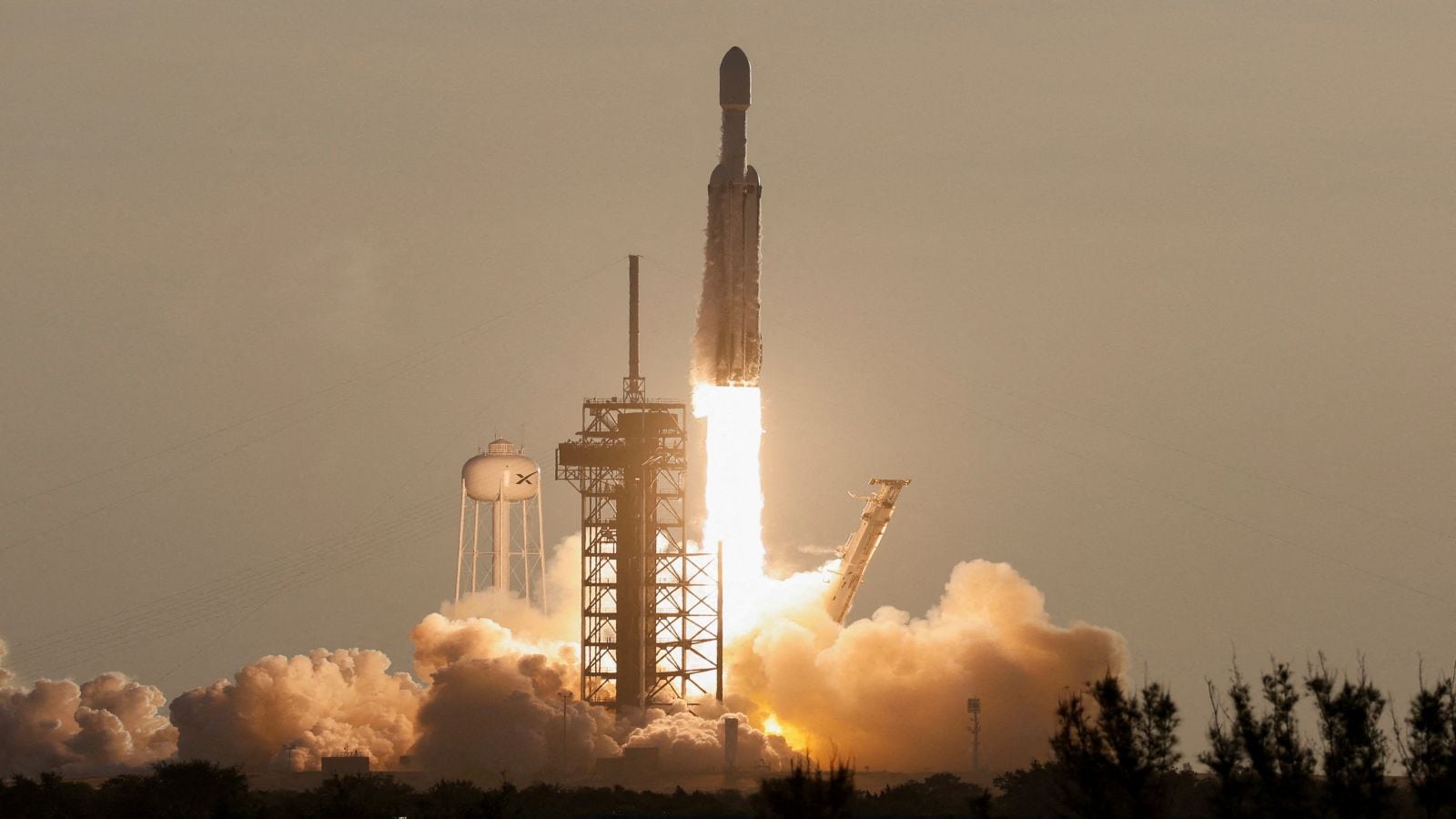
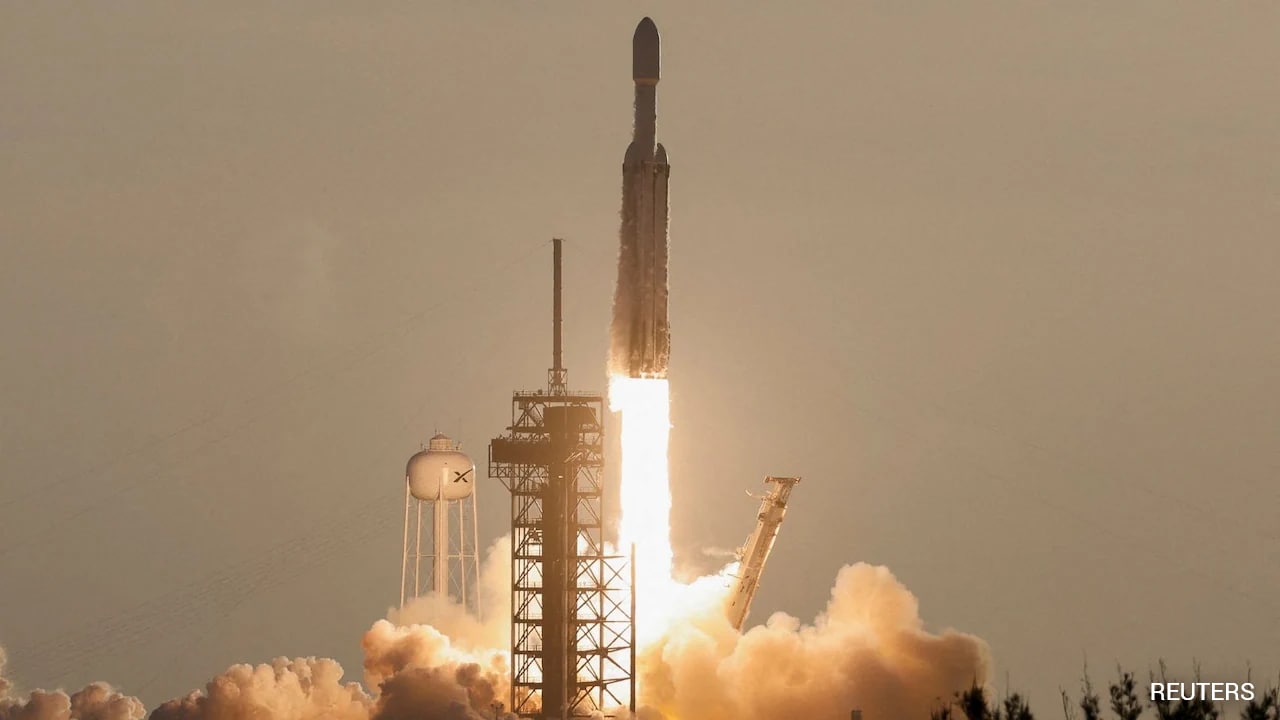
The launch itself was a masterclass in collective holding of breath. On a tense morning, thousands of people watched a pillar of fire tear through the atmosphere. Years of missed birthdays, divorces weathered in laboratories, funding cuts survived by the skin of teeth, equations checked and rechecked a thousand times—all riding on a controlled explosion.
There was no margin for error. If a single mechanical latch failed to release, if a sunshield tore during deployment, if a thruster misfired by a fraction of a degree, four billion dollars and thirty years of human hope would become expensive space debris.
When the telemetry confirmed successful deployment, grown men and women wept in mission control. Not because of the science, strictly speaking, but because they had done the impossible. They had reached out across the void and touched the past.
We live in an era of profound terrestrial fracture. We argue over borders, ideologies, and resources, slicing our world into smaller and smaller pieces of grievance. Yet, this machine was built by hands belonging to dozens of different nations, speaking different languages, waking up in different time zones, all pointing toward the exact same patch of black sky.
The telescope does not care about our politics. It does not register our borders. It simply gathers the ancient photons falling upon its gold mirror and reflects them back to us, holding up a mirror to our own curiosity.
It tells us that we are the universe observing itself.
And as those first crisp, haunting images beam back across millions of miles of empty space—revealing the atmospheric signatures of distant worlds and the faint, infant glow of galaxies born shortly after the big bang—we are reminded of what we are capable of when we stop looking down at our feet and dare, finally, to look up.