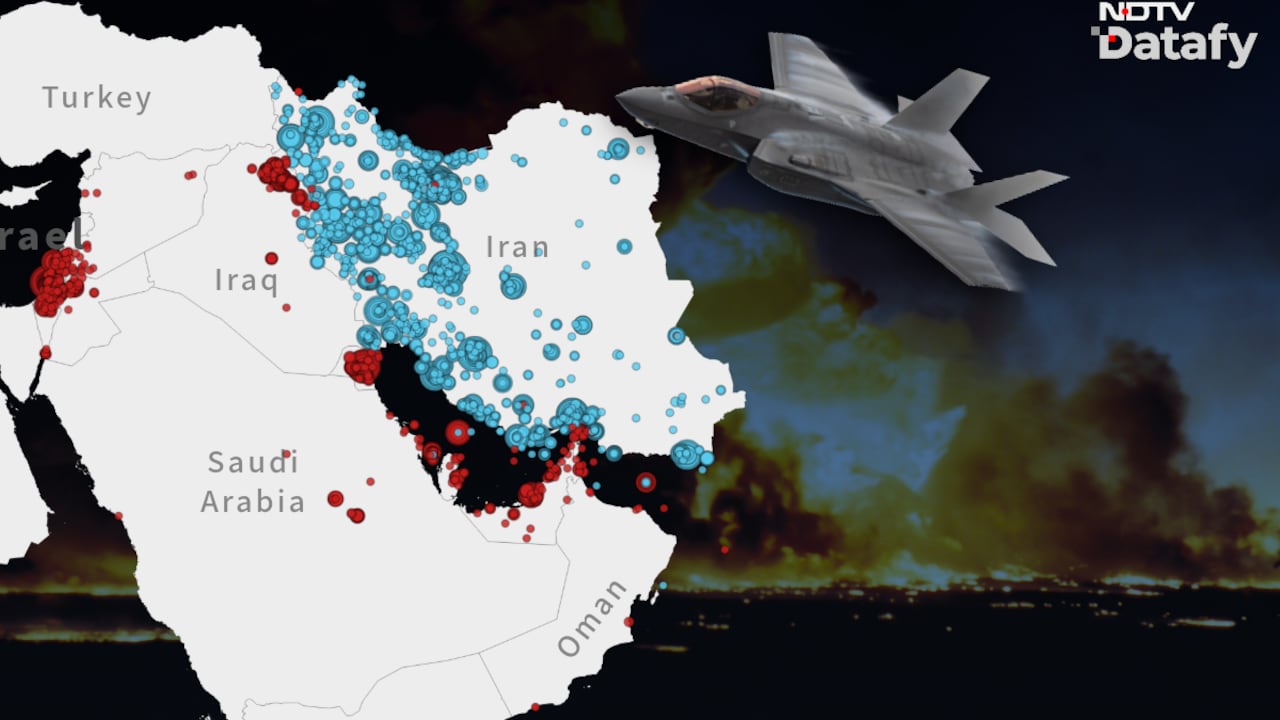
The Pentagon calls it a stabilization campaign, but the accounting department calls it a catastrophe. When joint American and Israeli forces launched Operation Epic Fury on February 28, the objective seemed straightforward to planners in Washington. Eliminate the top tier of Iranian leadership, shatter their missile infrastructure, and force a rapid capitulation that would secure the Strait of Hormuz once and for all.
Instead, fifteen weeks and more than 5,000 American strikes later, the United States finds itself trapped in a punishing war of attrition that has rewritten the rules of asymmetric warfare.
While Washington claims a tactical triumph after killing supreme leader Ali Khamenei on day one, the strategic reality is a devastating gridlock. Iran responded not by collapsing, but by executing a calculated strategy of horizontal escalation. By saturating the region with low-cost drones and ballistic missiles, Tehran bypassed advanced missile defense grids, shuttered global energy chokepoints, and dragged neighboring Gulf states into the crossfire. The financial and military toll is staggering. The United States has already burned through $29 billion in direct military expenditures, while a critical fuel crisis ripples across global markets.
The Asymmetry of Modern Attrition
The core flaw in the Western military calculus was the belief that decapitation equals defeat. Modern proxy and state networks built by Iran over three decades are highly decentralized, designed specifically to survive the loss of command hubs.
When American Tomahawk cruise missiles and precision-guided munitions struck Tehran, they eradicated old leadership but activated automated retaliatory doctrines. Iran immediately deployed a saturation technique. This involves launching waves of cheap, mass-produced drones alongside salvos of ballistic missiles. The goal is simple math: overwhelm the intercept capacities of advanced air defense platforms.
[Iranian Saturation Vector] ---> [Overwhelmed Patriot Grid] ---> [Target Impact]
                                 (Limited Interceptors)
A standard American Patriot interceptor missile costs approximately $4 million. The Iranian-designed delta-wing attack drones used to target regional infrastructure cost less than $30,000 each to manufacture.
By launching these platforms in groups of fifty or more, Iran forced American and allied forces to deplete their stockpiles of high-end interceptors. This cost disparity is unsustainable. Terminal High Altitude Area Defense (THAAD) and Patriot batteries protect critical airfields and cities like Dubai and Riyadh, but they face a profound supply chain bottleneck. The United States cannot manufacture interceptor missiles fast enough to match the production rate of the opposing drone factories.
The Mirage of the Hormuz Blockade
The primary economic battleground remains the Strait of Hormuz, a narrow maritime corridor where twenty percent of the world's petroleum passes daily. Washington anticipated a conventional naval blockade, preparing its Fifth Fleet for traditional ship-to-ship engagements and anti-submarine operations.
Tehran chose a completely different approach. Instead of deploying its conventional navy to hold geographic positions, Iran turned the Persian Gulf into a lethal envelope of anti-ship ballistic missiles and sea-skimming drones launched from mobile, hidden positions along its rugged coastline.
This choice effectively shut down commercial shipping without Iran needing to risk a single major surface warship. Lloyds of London suspended insurance for standard transit, and container traffic plummeted.
To counter this, the United States military quieted its own rhetoric and began operating a shadow network of vessels. This covert operation, dubbed a "dark fleet" by maritime tracking firms, attempted to move over 100 million barrels of crude out of the Gulf to stabilize panicking Western markets. The maneuver yielded tragic miscalculations. Just days ago, American strikes intended for hostile fast-attack craft mistakenly hit a commercial tanker off the coast of Oman, killing three Indian merchant sailors and triggering an international diplomatic backlash from New Delhi.
Domestic Fractures and Global Fuel Realities
The timing of the initial February strikes was heavily influenced by intelligence reports detailing widespread civil unrest inside Iran. Intelligence analysts in Washington gambled that a sudden, crushing military blow would compromise the state's internal security apparatus, allowing student protests to swell into a full regime change.
This assessment misread the nationalist reflex that occurs when foreign bombs hit domestic soil. While cyberattacks successfully compromised local prayer apps to broadcast defection messages to military personnel, the external kinetic campaign allowed the new ruling council in Tehran to brand all domestic dissidents as foreign assets, intensifying internal crackdowns rather than dissolving them.
Meanwhile, the economic shockwaves have hit home. The war pushed Brent crude prices up by thirty percent, causing a sharp rise in domestic retail inflation across the West. Energy costs have surged, dragging down consumer confidence and leaving political leadership vulnerable to the exact economic discontent they hoped to manufacture in Tehran.
The current diplomatic push for a sixty-day ceasefire is less a victory lap and more an operational necessity. The Pentagon needs to restock its severely depleted munitions reserves, while global markets desperately require a pause in hostilities to prevent a deep systemic recession. Any signed memorandum of understanding will face the same core friction that started the war. The fundamental architecture of regional deterrence has shifted permanently toward cheap, uncrewed systems, and no amount of conventional bombardment can erase that technological reality.